Many people believe that eye exams are only necessary when vision becomes blurry or when glasses are required. However, this is one of the most common misconceptions about eye health. Regular eye exams are essential for everyone, even if you have perfect vision and don’t wear glasses or contact lenses.
Your eyes do far more than help you see clearly — they can also reveal important information about your overall health. A routine eye examination can detect problems early, protect your vision long-term, and even identify serious medical conditions before symptoms appear.
Eye Exams Do More Than Check Vision
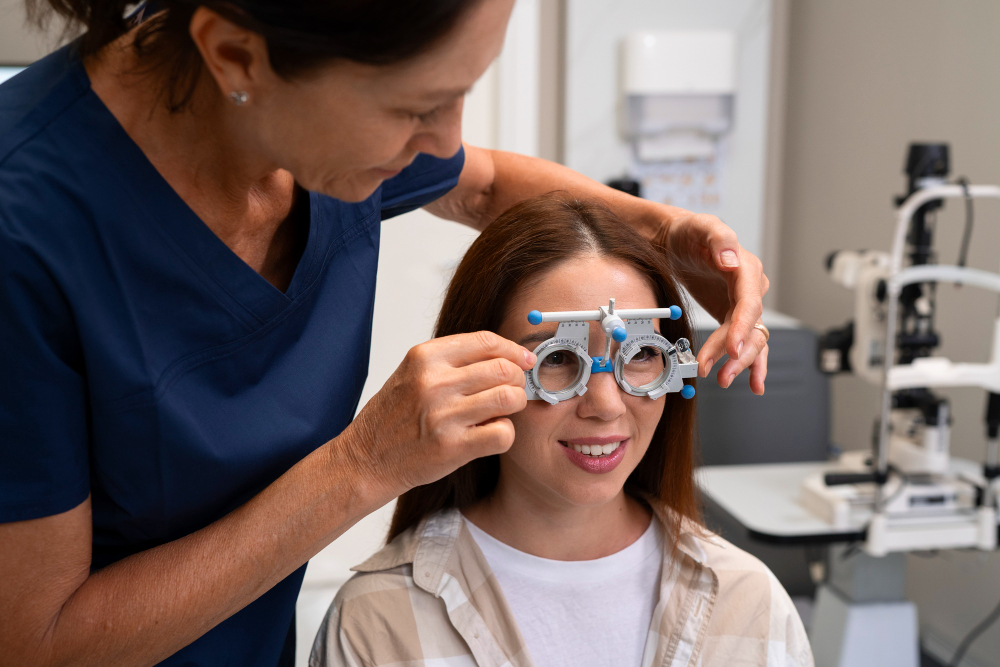
A comprehensive eye exam is not just about reading letters on a chart. It is a complete evaluation of your eye health.
During an eye exam, your optometrist checks:
-
Visual acuity and focusing ability
-
Eye muscle coordination and alignment
-
Eye pressure (important for detecting glaucoma)
-
Retina and optic nerve health
-
Early signs of eye diseases and systemic conditions
Many eye diseases develop without pain or noticeable symptoms, making routine exams critical for early diagnosis.
Early Detection of Eye Diseases
Some of the most serious eye conditions can progress silently, causing irreversible damage if not caught early.
Common conditions detected during eye exams include:
-
Glaucoma: Often called the “silent thief of sight,” it can cause permanent vision loss without warning signs.
-
Cataracts: Clouding of the eye’s natural lens that worsens gradually over time.
-
Macular Degeneration: A leading cause of vision loss in older adults.
-
Diabetic Retinopathy: A diabetes-related condition that damages blood vessels in the retina.
Early detection allows for timely treatment, helping preserve vision and prevent complications.
Your Eyes Can Reveal Overall Health Issues
Eye exams can uncover signs of serious health conditions that may not yet show symptoms elsewhere in the body.
Optometrists can detect indicators of:
-
Diabetes
-
High blood pressure
-
High cholesterol
-
Autoimmune disorders
-
Neurological conditions
In many cases, an eye exam is the first step toward identifying these conditions, allowing patients to seek medical care early.
Digital Eye Strain Is Increasing
Even people with perfect vision can experience eye discomfort due to prolonged screen use.
Symptoms of digital eye strain include:
-
Headaches
-
Dry or irritated eyes
-
Blurred vision
-
Neck and shoulder pain
-
Difficulty focusing
Regular eye exams help identify digital eye strain and allow optometrists to recommend solutions such as screen adjustments, lifestyle changes, or specialized lenses like blue-light filtering lenses.
Children and Teens Need Regular Eye Exams Too
Children may not always realize or communicate vision problems, and undiagnosed vision issues can affect learning and development.
Eye exams can help:
-
Detect vision problems early
-
Improve academic performance
-
Identify eye alignment or focusing issues
-
Prevent long-term vision complications
Experts recommend that children have regular eye exams even if no vision problems are suspected.