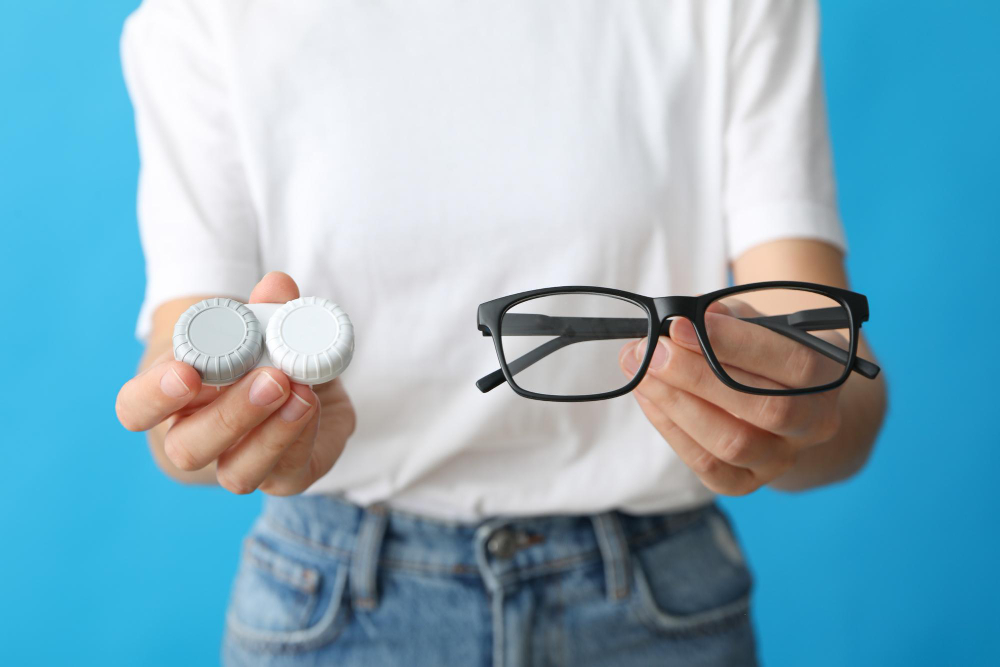
When it comes to correcting vision, there is no one-size-fits-all solution. Contact lenses and glasses both offer clear vision, but each comes with its own advantages and limitations. Choosing the right option depends on your lifestyle, comfort, eye health, and personal preferences.
Understanding the pros and cons of both can help you make an informed decision — or even decide to use both for different situations.
Glasses: Pros & Cons
Advantages of Glasses
1. Easy to Use
Glasses are simple to wear and remove, making them a convenient option for people of all ages. There’s no need to touch your eyes, which reduces the risk of irritation or infection.
2. Low Maintenance
Compared to contact lenses, glasses require minimal care. Occasional cleaning and proper storage are usually all that’s needed.
3. Fashion & Personal Style
Glasses can enhance your appearance and reflect your personality. With countless frame styles available, they double as a fashion accessory.
4. Eye Protection
Glasses provide a physical barrier against dust, wind, and debris. Many lenses also include UV protection and blue-light filtering.
5. Cost-Effective Over Time
A single pair of quality glasses can last several years, making them a cost-effective vision correction option.
Disadvantages of Glasses
-
Can fog up in humid or cold conditions
-
May slip during physical activity
-
Peripheral vision can be limited by frames
-
Not always ideal for sports or active lifestyles
Contact Lenses: Pros & Cons
Advantages of Contact Lenses
1. Natural Field of Vision
Contacts sit directly on the eye, offering a full, unobstructed field of vision without frames.
2. Ideal for Active Lifestyles
They’re perfect for sports, workouts, and outdoor activities, as they don’t shift or fall off.
3. No Fogging or Reflection
Unlike glasses, contact lenses don’t fog up or reflect light, making them great for night driving and humid environments.
4. Cosmetic Flexibility
Contacts maintain your natural appearance and can also be used for cosmetic purposes, including colored lenses.
5. Compatible with Sunglasses
You can wear any style of sunglasses without needing prescription lenses.
Disadvantages of Contact Lenses
-
Require strict hygiene and regular cleaning
-
Higher risk of eye infections if not used properly
-
Can cause dryness or irritation for some users
-
Ongoing replacement costs
-
Not suitable for everyone, especially those with severe dry eyes
Which Option Is Right for You?
Choosing between contact lenses and glasses depends on several factors:
| Lifestyle Factor | Best Option |
|---|---|
| Office or screen work | Glasses (blue-light lenses) |
| Sports & active use | Contact lenses |
| Convenience & low maintenance | Glasses |
| Special occasions | Contact lenses |
| Eye sensitivity or dryness | Glasses |
Many people prefer a combination of both, using glasses for daily wear and contact lenses for sports, travel, or special events.
Why Professional Eye Exams Matter
A comprehensive eye exam helps determine:
-
Which option suits your eye health
-
The correct prescription
-
Whether your eyes can safely wear contact lenses
-
The best lens materials and coatings for your needs
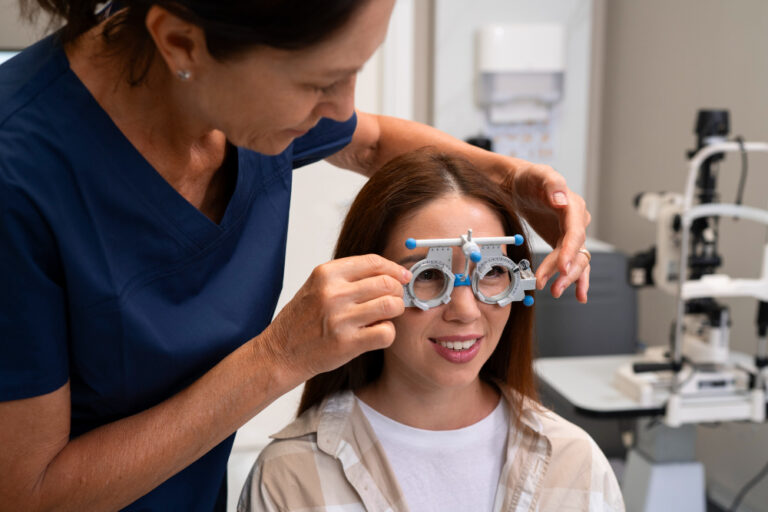
Your optometrist can guide you toward the safest and most comfortable solution.