Top Lens Technologies Explained: A Complete Guide to Better Vision
Choosing the right eyeglass lenses is just as important as selecting the perfect frame. Modern lens technology has advanced significantly, offering solutions that improve clarity, comfort, and long-term eye health. Understanding these options can help you make smarter decisions for your everyday vision needs.
1. Single-Vision Lenses
Best for: Near or distance correction
Single-vision lenses are designed to correct vision at one focal length—either distance, intermediate, or near.
Benefits
-
Clear, precise vision
-
Lightweight and affordable
-
Ideal for myopia (nearsightedness) or hyperopia (farsightedness)
2. Bifocal Lenses
Best for: Distance and near vision
Bifocals contain two optical powers in one lens, separated by a visible line.
Benefits
-
Convenient for people who need reading correction
-
Eliminates the need to switch between glasses
Consideration
-
Visible lens line
-
Abrupt image jump when switching focus
3. Progressive Lenses
Best for: All-distance vision
Progressive lenses provide a smooth transition between distance, intermediate, and near vision — without visible lines.
Benefits
-
Natural, seamless vision
-
Modern appearance
-
Ideal for presbyopia (age-related vision changes)
4. Blue-Light Blocking Lenses
Best for: Screen users
These lenses filter harmful blue light from digital devices such as computers, tablets, and smartphones.
Benefits
-
Reduces digital eye strain
-
Helps minimize headaches and dry eyes
-
May improve sleep quality
5. Anti-Reflective (AR) Coating
Best for: Night driving & screen use
AR coatings reduce glare from headlights, screens, and bright lights.
Benefits
-
Sharper, clearer vision
-
Improved night driving safety
-
More attractive appearance (less lens reflection)
6. Photochromic (Transition) Lenses
Best for: Indoor & outdoor use
These lenses automatically darken in sunlight and return to clear indoors.
Benefits
-
UV protection
-
Convenience—no need for separate sunglasses
-
Reduced eye strain outdoors
7. Polarized Lenses
Best for: Outdoor activities & driving
Polarized lenses reduce glare from reflective surfaces like water, roads, and snow.
Benefits
-
Enhanced contrast and clarity
-
Reduced eye fatigue
-
Ideal for driving and outdoor sports
8. High-Index Lenses
Best for: Strong prescriptions
High-index lenses are thinner and lighter than standard lenses.
Benefits
-
Sleek appearance
-
Improved comfort
-
Ideal for higher prescriptions
9. Scratch-Resistant & UV Coatings
Best for: Everyday durability
These coatings protect lenses from damage and harmful UV rays.
Benefits
-
Longer lens lifespan
-
Protects eyes from UV-related damage
-
Maintains lens clarity
Choosing the Right Lens Technology
Your ideal lens depends on:
-
Your prescription strength
-
Daily activities
-
Screen usage
-
Outdoor exposure
-
Budget and comfort preferences
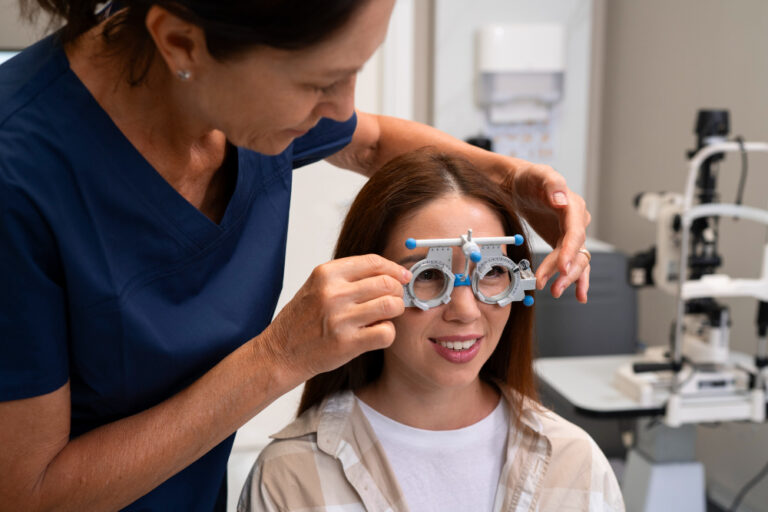
A professional eye exam ensures the right combination of lenses and coatings for your lifestyle.